


From AS/400 to a future-proof platform: how Kunlabora revitalised a stalled IT landscape
Many organisations still rely on systems that once worked perfectly, but now slow them down rather than drive them forward. That was also the case for a company that asked us to make their outdated, historically grown IT environment agile again.
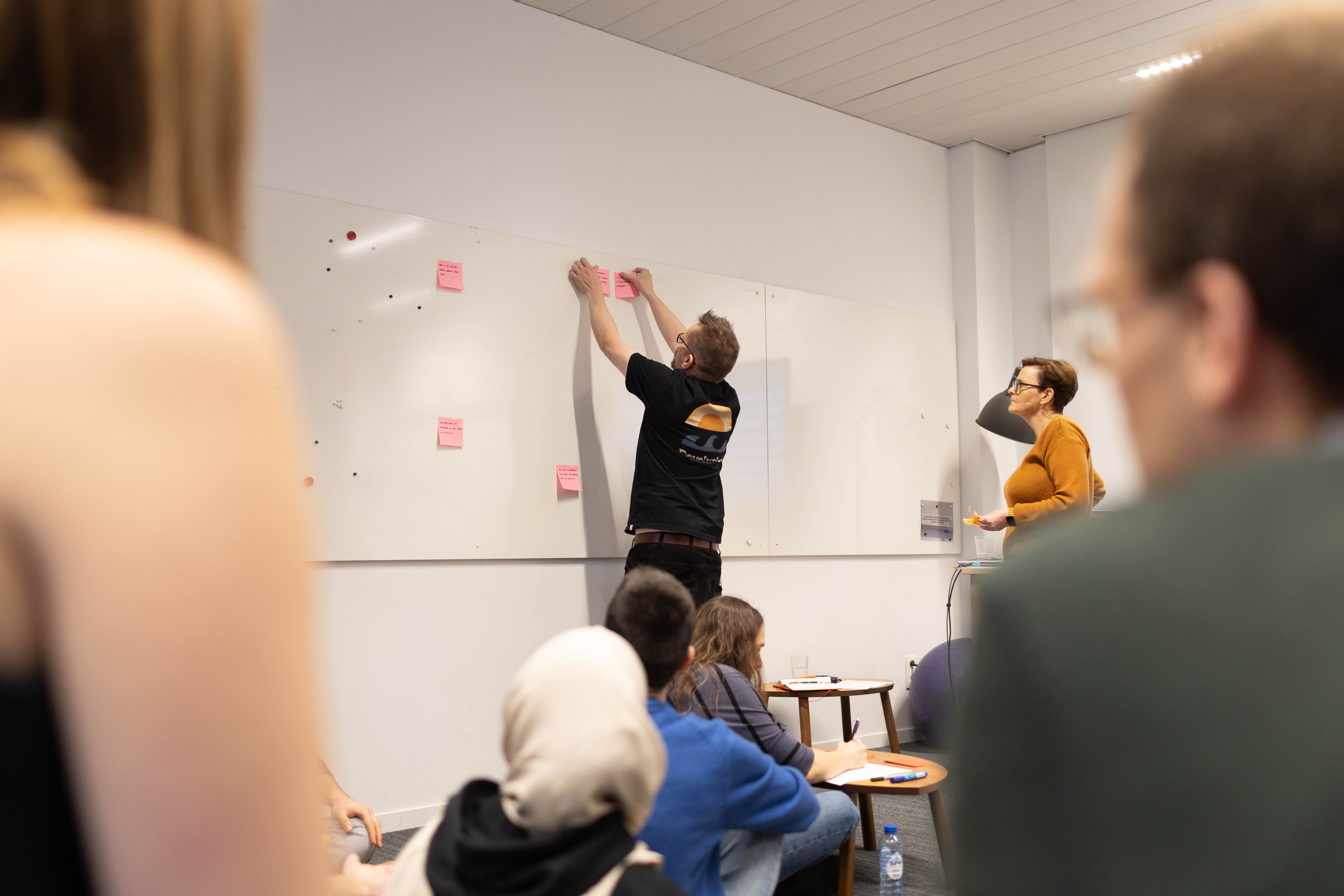

At the heart of their operations was an AS/400 system: robust, but after decades it had evolved into a complex structure where every change became a risk. Together, we moved from a stalled legacy environment to a modern, sustainable, and scalable digital foundation.
The situation: a solid system that had grown too large and too old
Since the 1980s, the company had built its entire IT landscape in-house. For years, this resulted in an environment perfectly aligned with the business. But after decades of expansion, its limits became clear:
- the central AS/400 system had become difficult to maintain
- small changes had a large impact on the entire landscape
- internal technical expertise to continue building had declined
- new business models and assortment expansions no longer fit within the system
The core question was simple: how do we evolve away from AS/400 to a modern, scalable platform that restores control and flexibility?
What did the client need?
The organisation wanted:
- to fully move away from the AS/400 system
- a future-proof platform aligned with their current operations
- an experienced partner to take on technical leadership and architecture
- a structure their own developers could later build on autonomously
- modernisation with tangible value and minimal business disruptions
Our approach: listen, analyse, and build in small steps
As always, we started with an audit, stakeholder interviews, and a service blueprint to map the full flow in detail. This led to two key insights:
- The existing system was no longer future-proof
- There was a need for technical leadership, structure, and a phased approach
We therefore chose our typical Kunlabora method: iterative and incremental development. The new platform was rolled out step by step, while temporary integrations ensured a safe transition. This allowed the organisation to gradually switch over, while parts of the new system were already in use.
Collaboration in one blended team
We worked as an integrated team consisting of:
- Kunlabora developers
- a product owner
- an analyst/ project manager
- internal client team members
Later, the team was further expanded. This team-as-a-service approach strengthened the organisation structurally while we built the solution.
Building with the client, not for the client
Our role went beyond development. Thanks to our experience with large-scale modernisations, we took the lead in:
- architecture
- technical decision-making
- project planning
- delivery and alignment
We believe you don’t build a sustainable system for a company, you build it together with a company. Always with maximum knowledge transfer.
The results: a new foundation that truly drives progress
Six months after the start, the first module of the new platform was already fully operational. The second release is following shortly.
Today, the organisation benefits from:
- clear, stable progress
- a fast and reliable system
- a clear technical roadmap for the coming years
- renewed confidence in there IT landscape
Together, we moved from legacy burden to digital future.
Ready to breathe new life into your outdated IT?
Whether you’re stuck on AS/400, legacy custom software, or fragmented systems, we help you move forward again.
Get in touch today. We’d love to think along with you.

Inspired by this case and would you like to work together?
Contact us and we'll get back to you as soon as possible!